


Photobiomodulation Therapy for Dry AMD
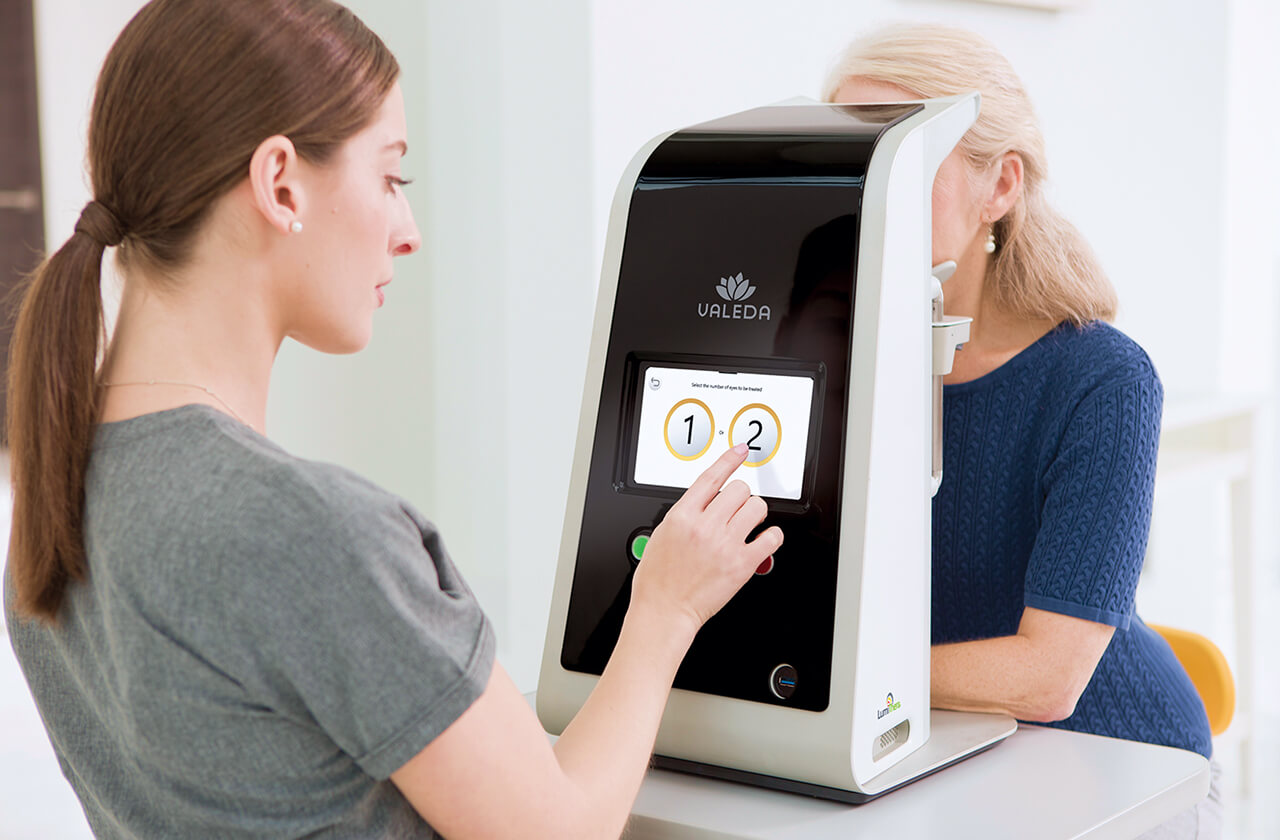
Retinal Consultants Medical Group is now offering Photobiomodulation Therapy (PBM), an FDA-authorized, non-invasive light-based treatment option for patients with early to intermediate dry age-related macular degeneration (AMD). PBM therapy is delivered using LumiThera’s Valeda® Light Delivery System and is intended to support retinal function and potentially slow aspects of disease progression in appropriately selected patients.
This treatment is currently available at our Parkcenter, Chico, Fairfield, Modesto, Folsom, Roseville and Grass Valley offices.
What Is Dry Age-Related Macular Degeneration?
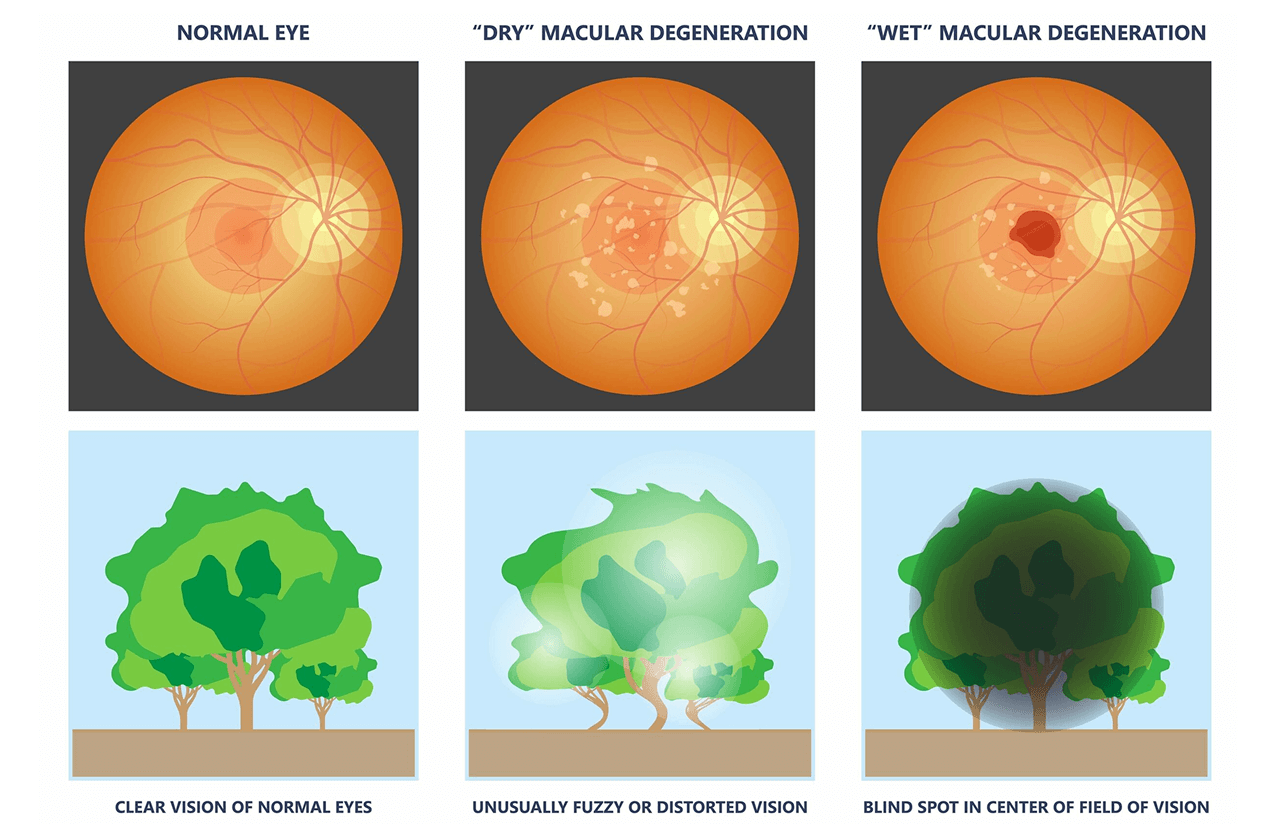
Age-related macular degeneration (AMD) is a chronic, progressive condition affecting the macula, the central portion of the retina responsible for detailed central vision. AMD is a leading cause of vision loss in individuals over the age of 65.
There are two forms of AMD: dry and wet. Approximately 90% of patients with AMD have the dry form, which typically progresses gradually but can lead to permanent central vision loss over time. Common symptoms may include blurred or distorted vision, reduced contrast sensitivity, and difficulty with reading or recognizing faces.
Photobiomodulation Therapy and Clinical Research
Photobiomodulation (PBM) therapy has been evaluated as a treatment option for patients with early to intermediate dry AMD. PBM works by delivering a combination of light wavelengths to the retina that is believed to stimulate mitochondrial function, stabilize cellular metabolism, lower inflammation, and enhance the protection of neural tissue. The Valeda® Light Delivery System was studied in a series of multi-center clinical trials—LIGHTSITE I, II, and III—conducted at retinal specialty centers across the United States.
The LIGHTSITE III Phase III randomized, controlled clinical trial evaluated 148 eyes from 100 patients who received either PBM therapy or a sham (placebo) treatment. Treatment was delivered three times per week over several weeks, in repeated treatment cycles, and participants were followed for up to 24 months.
Key Clinical Findings:
- Patients treated with PBM demonstrated a statistically significant improvement in best-corrected visual acuity compared with the sham group at the primary study endpoint. Visual acuity improvements observed in the PBM group were maintained during extended follow-up.
- Both the PBM and sham groups demonstrated disease progression over time, including changes in retinal anatomy. However, patients treated with PBM experienced significantly less progression of drusen compared with those receiving sham treatment. Drusen are yellow deposits of lipids and proteins under the retina. More and larger drusen are signs of more advanced dry macular degeneration.
- PBM-treated patients also demonstrated a lower rate of progression to advanced stages of dry AMD, including geographic atrophy (GA), compared with the control group. Geographic atrophy is the most advanced form of dry AMD and is associated with irreversible retinal cell loss and permanent vision impairment. Slowing progression toward advanced disease may help preserve visual function for a longer period in some patients.
For additional information about Valeda® therapy and the LIGHTSITE clinical trials, please visit:
myvaleda.com/insights-hub