

How Cardiovascular Health Impacts the Retina
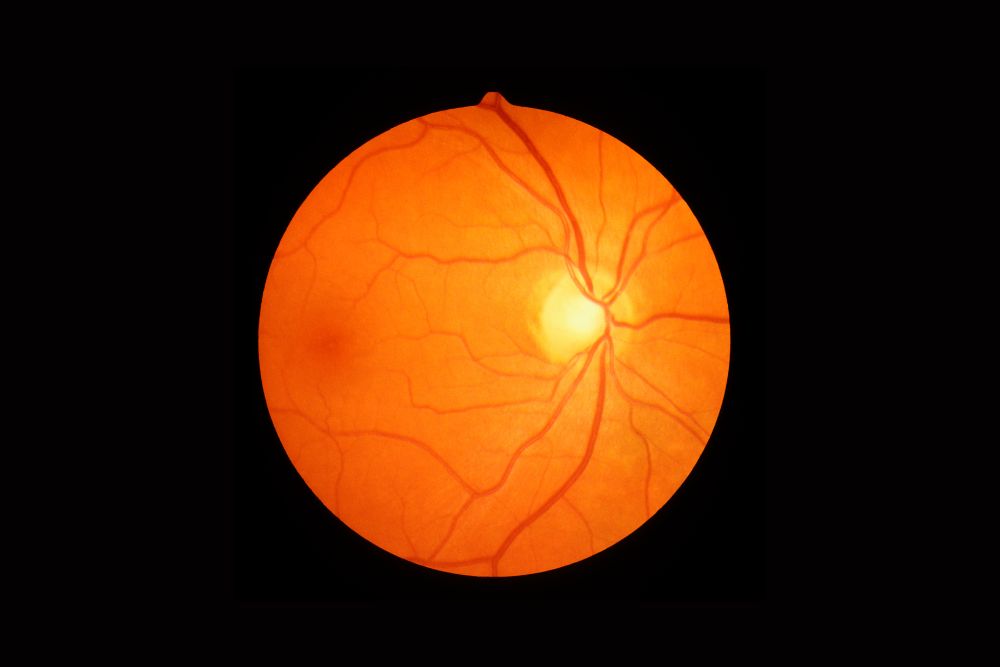
Heart health and eye health are more connected than many people realize. The retina — a thin layer of tissue at the back of the eye responsible for detecting light and sending visual signals to the brain — depends on a steady supply of oxygen and nutrients delivered through a network of tiny blood vessels. When cardiovascular conditions such as high blood pressure, diabetes, or high cholesterol affect circulation, they can also influence the delicate vessels that support healthy vision.
The Connection Between Circulation and Retinal Health
Healthy circulation plays an essential role in maintaining retinal function. The retina relies on a constant flow of oxygen-rich blood to support the specialized cells responsible for vision. When blood vessels become damaged or blood flow is reduced, the retina may not receive the nutrients it needs to function properly.
Over time, cardiovascular conditions can place stress on the small vessels that supply the retina. These changes may disrupt normal blood flow within the eye and increase the risk of retinal disease if left untreated.
Risk Factors That Affect Both the Heart and Eyes
Many of the same factors that increase the risk of cardiovascular disease can also impact retinal health. Because the retina’s blood vessels are small and delicate, they may be particularly sensitive to these changes.
Some common shared risk factors include:
- High Cholesterol: Elevated cholesterol levels can contribute to plaque buildup in blood vessels, narrowing arteries, and reducing healthy blood flow throughout the body, including the eyes.
- Smoking: Smoking damages blood vessels and reduces oxygen delivery, increasing the risk of both cardiovascular disease and retinal conditions.
- Diabetes: Diabetes can damage blood vessels over time, including those in the retina. Diabetic retinopathy is a common complication that occurs when high blood sugar levels affect the retinal circulation.
What the Retina Can Reveal About Overall Vascular Health
One unique aspect of retinal care is that the blood vessels in the back of the eye can be observed directly during a routine eye examination. Unlike blood vessels in organs such as the heart, brain, or kidneys, retinal vessels can be viewed and photographed non-invasively.
Changes such as narrowing, swelling, or other abnormalities in these vessels may provide clues about broader circulatory health. For this reason, eye exams can play a role in identifying early signs of systemic health concerns before noticeable symptoms occur.
Protecting Both Heart and Eye Health
Because the retina is closely connected to the body’s circulatory system, many of the steps that support cardiovascular health can also benefit eye health.
Helpful strategies may include:
- Maintaining healthy blood pressure and cholesterol levels
- Managing diabetes carefully with the guidance of a healthcare provider
- Avoiding smoking
- Staying physically active and maintaining a balanced diet
- Scheduling regular medical and eye examinations
When to Schedule a Retina Evaluation
By detecting retinal changes early, routine eye exams can play an important role in protecting both vision and overall health. With advanced imaging and comprehensive retinal evaluations, our team at Retinal Consultants Medical Group specializes in diagnosing and managing conditions that affect the retina’s circulation.
If you have risk factors such as diabetes, high blood pressure, or elevated cholesterol — or if you have noticed changes in your vision — scheduling an eye exam with your primary eye care provider is a crucial first step. If your eye doctor identifies the need for subspecialty retinal care, the team at Retina Consultants Medical Group is here with advanced diagnostics and personalized treatment to help protect your vision. Contact us today to schedule an evaluation and learn more about protecting your retina and overall health.